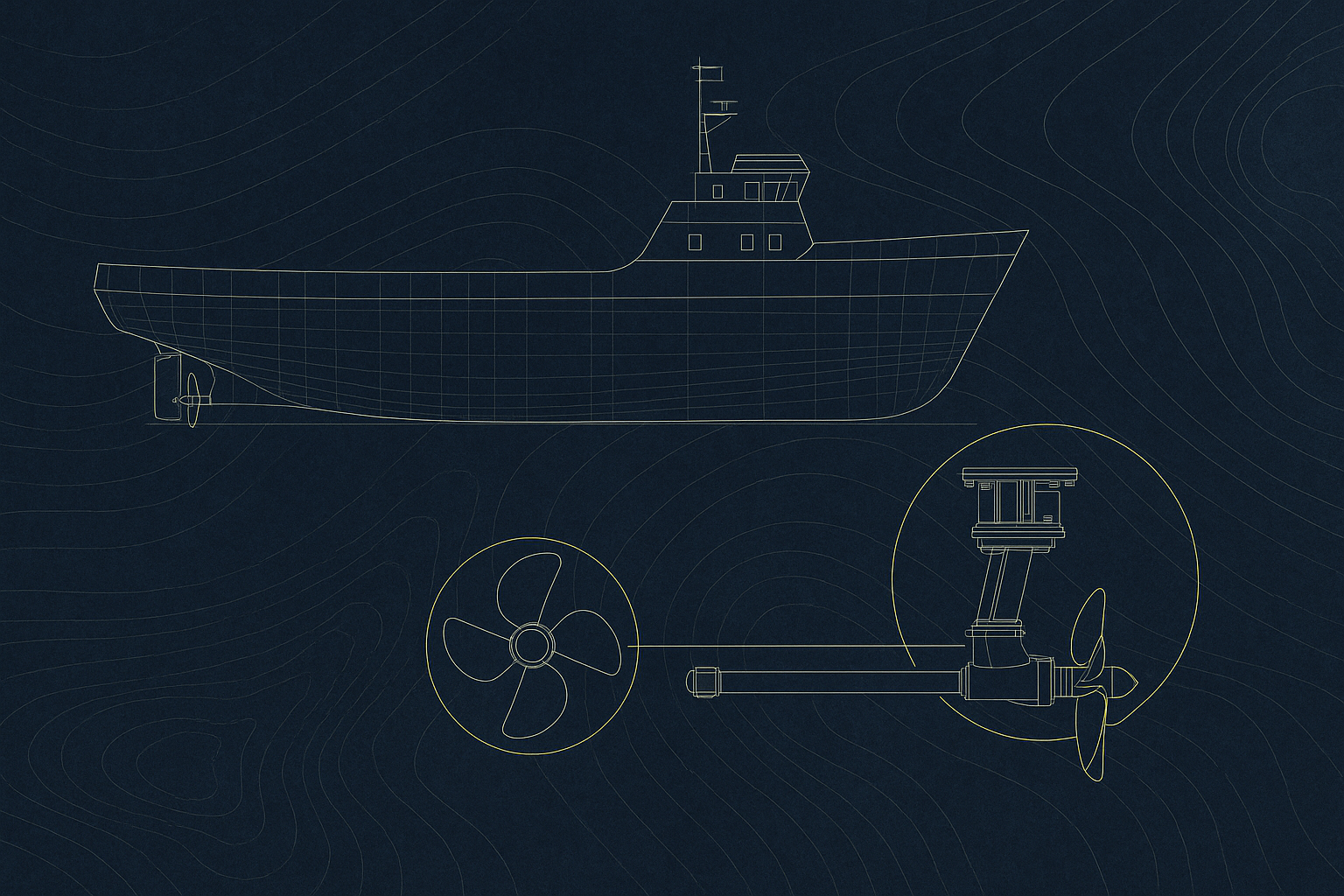
Salt is found in abundance in sea water and if this water has to be used for drinking by the crew on board ships, it needs to be tested for salinity. Just find out how this is done with the help of a salinometer and how it works
Introduction
A ship could remain in sailing for weeks together when on a long voyage such as say between Europe and USA. With several crew members on board it is important to ensure adequate supply of fresh water lest people should face shortage. Though a ship has huge tanks to store fresh water, most big ships have a provision for fresh water generation. Of course we will discuss about the fresh water plant in a different article but it must be remembered that the water from the fresh water plant is made from sea water hence there must be an instrument to measure salinity of water before it is consumed.
The Salinometer
The instrument used for this purpose is known as Salinometer and it measures the salinity of water based on scientific concepts. Now we normally are under the impression that water is a good conductor of electricity and hence we are always advised not to touch electrical appliances with wet hands and so on. Of course I am not going to change that advice here but I want to tell you that the purer the water, the less conductivity it possesses.
Sea water on the other hand contains lots of impurities such as sodium chloride, magnesium chloride, calcium chloride and so forth. The chlorine ions help in conduction and hence these impurities increase conductivity of water.
You must have intuitively realized by now that if conductivity varies with purity the reverse is also true. It therefore means that measuring conductivity of water could give an indication of its purity. Infact this is the very principle which is used in a Salinometer.
One important assumption made in a Salinometer is that the conductivity is mainly due to sodium chloride and the effect of other impurities is ignored. This may not give a very accurate reading of purity but is good enough to indicate the purity for practical purposes on board.
Salinometer Circuit
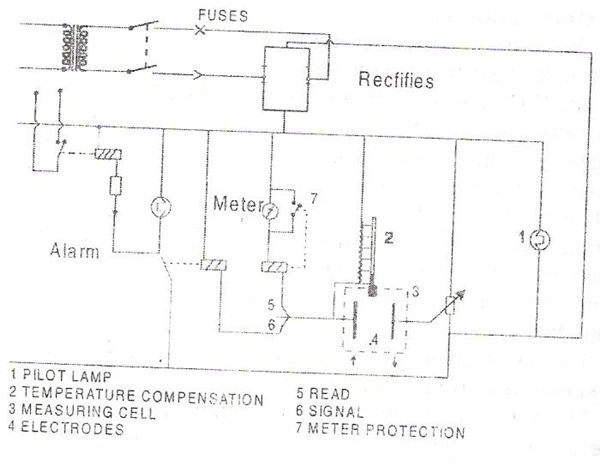
The circuit of a Salinometer is shown in the figure below and as you can see it uses a set of electrodes to measure conductivity whose signal is fed to a meter which is calibrated to give the reading to the user. There is also a temperature compensation system which is necessary to adjust current passed though the Salinometer. This is required since the conductivity of water not only varies with impurities but with temperature variation as well, rising approximately 2.2% for every single degree rise in temperature.
You can also notice an audio visual alarm which gets activated once a preset value of salinity is reached. This is useful in case of the fresh water generator where the output gets diverted to a drain if salinity is increased beyond a certain limit thus saving the stored water from getting impure.